Dental Crowns and Gum Health: What You Should Watch For
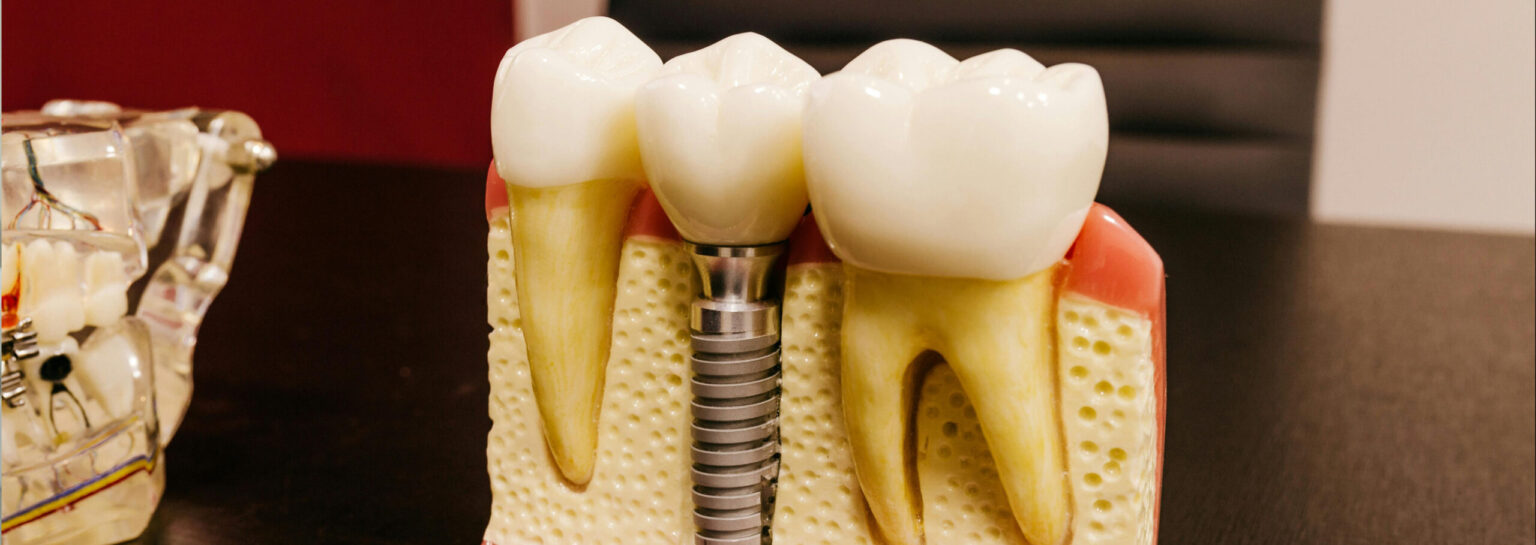
Dental crowns solve real problems. They protect weakened teeth, restore shape and function, and often save a tooth that might otherwise crack beyond repair. When a crown fits well and the surrounding tissue is healthy, it can serve quietly for many years. The trouble is that people often focus on the crown itself and forget the gums around it. That is where small issues tend to start.
In practice, the gum line around a crowned tooth is one of the first places I look when a patient says, “Something feels off, but I can’t tell what.” The crown may look intact from above, yet the tissue at the margin can tell a very different story. Redness, puffiness, bleeding during brushing, food trapping, tenderness when flossing, or a faint bad taste near one tooth often point to a problem developing where the crown meets the tooth and the gum.
That edge matters more than most people realize. A dental crown is not simply a cap placed over a tooth like a helmet. It has to meet the natural tooth precisely, respect the contours of the gum, and allow you to clean the area every day. If that relationship is even slightly off, plaque finds a home, the gum becomes inflamed, and over time the supporting structures can suffer.
Why the gum line around crowns deserves close attention
Gums are remarkably responsive tissue. They react quickly to irritation, whether that irritation comes from bacterial plaque, trapped cement, a rough crown margin, or repeated trauma from clenching and grinding. Around a natural tooth, the body can often tolerate minor imperfections for a while. Around a restored tooth, especially one with a crown margin near or under the gum line, the margin for error is smaller.
A well-made crown should not feel like an obstacle to hygiene. Floss should pass with a little resistance, then release cleanly. The gum should look pink or whatever your natural healthy tissue color tends to be, not angry or glossy. You should not notice a persistent odor from that site. If you do, it usually means debris or bacteria are lingering where they should not.
There is also a timing issue. Many gum problems around crowns begin quietly. A person gets a crown, the tooth feels better, chewing improves, and life moves on. Six months later there is occasional bleeding. A year later the gum has receded slightly or the area catches food almost every meal. By the time pain appears, the problem is often larger than simple irritation.
Not all irritation means the crown is failing
This is an important distinction. A crown can be structurally sound and still create gum trouble. Likewise, gums can become inflamed around a technically good crown if home care is inconsistent, if dry mouth is present, or if the patient has a tendency toward periodontal disease.
Right after crown placement, some temporary gum tenderness is normal. The area has been worked on. A retraction cord may have been used to move the gum gently so the dentist could capture the tooth margin. Local anesthetic, polishing, and cementation can all leave the tissue slightly irritated for a few days. Mild soreness or sensitivity during that short window is not unusual.
What should improve, however, is the tissue response over the next week or two. If the gum remains swollen, bleeds easily, or feels irritated beyond that period, the situation deserves another look. I have seen many cases where the patient assumed healing was simply taking a long time, when in reality the crown margin was slightly bulky or excess cement had been left behind under the gum. Neither problem is rare, and both are easier to handle early.
The fit of the crown changes everything
When dentists talk about crown fit, they usually mean more than whether the crown stays on. We care about the bite, the contact with neighboring teeth, the contour of the sides, and the precision of the edge where crown meets tooth. Each of these can affect gum health.
If the crown is overcontoured, meaning it bulges outward too much near the gum line, the tissue gets less natural cleansing from the lips, cheeks, and tongue. Plaque accumulates more easily. Patients will often say, “I brush well, but that tooth always feels coated by evening.” The shape may be the issue, not effort.
If the contact with the adjacent tooth is too open, food traps. Fibrous foods like chicken, salad greens, or seeded bread are frequent culprits. Repeated wedging of food into the gum papilla can make that tissue sore and inflamed, even if the crown itself is sealed.
If the Dental Crowns contact is too tight, floss may shred or be nearly impossible to pass. Many people stop flossing that area because it is frustrating. Then plaque builds up and the gum swells further, making the contact seem even tighter. It becomes a self-reinforcing cycle.
Most critical of all is the margin. A margin that is rough, gapped, or poorly adapted gives bacteria a ledge to colonize. Sometimes this presents as chronic bleeding in one isolated spot. Sometimes the patient notices cold sensitivity at the root if the gum begins to recede. In more advanced cases, the decay begins under the crown where it cannot be seen easily from the outside.
Signs that deserve prompt attention
The gums usually give warning before a crowned tooth develops a bigger problem. The challenge is recognizing which symptoms are worth more than watchful waiting.
Bleeding that occurs only around one crown, especially if your other gums do not bleed, is significant. So is a pimple-like bump on the gum, even if it comes and goes. Persistent bad breath localized to one tooth can indicate plaque retention, decay at the margin, or a deeper periodontal issue. A metallic or sour taste near a crowned tooth can also be a clue that something is stagnating there.
Pain is less reliable than people think. Some failing crowns do not hurt much at all. If the nerve has already been removed with root canal treatment, you may feel almost nothing from the tooth itself while the surrounding gum and bone are being affected. On the other hand, a healthy crown can feel tender simply because the gum was bruised during the procedure and is still settling down.
A practical rule I often give patients is this: if the tissue around the crown looks different from the tissue around nearby teeth for more than a week or two, it is worth checking. Healthy gums tend to be consistent. An isolated exception usually has a reason.
When crown margins sit below the gum
Subgingival margins, or crown edges placed below the gum line, are sometimes necessary. A tooth may have broken deeply, a previous filling may extend close to the bone, or esthetics in the front of the mouth may require the margin to be hidden. This is not automatically a mistake. But it does raise the cleaning difficulty and the biologic stakes.
The body prefers restorations that respect the space the gum and bone need to attach naturally to the tooth. If a crown invades that area too much, chronic inflammation can follow. Patients may describe a gum line that never quite settles, no matter how carefully they brush. Dentists sometimes refer to this issue in terms of biologic width or the supracrestal tissue attachment. The terminology matters less than the principle: the tissue needs room.
I have seen beautifully colored crowns that looked excellent in photos but kept the gum in a state of low-grade irritation because the margin was just a little too deep and a little too bulky. Aesthetic dentistry and periodontal health have to work together. If one is achieved at the expense of the other, the result rarely ages well.
Gum recession around crowns is not always a cosmetic problem
Recession changes the appearance of a crowned tooth, particularly in the smile zone, but it can also expose the margin, reveal root structure, or create a plaque-retentive notch. Once the gum line pulls back, the crown may appear longer than neighboring teeth. If the crown was color-matched to the gum line at the time it was placed, the exposed edge can become obvious.
The causes vary. Sometimes the brushing technique is too aggressive and the bristles are hard. Sometimes the crown contour places pressure on the tissue. Sometimes clenching and grinding contribute by creating stress around the tooth and surrounding bone. Periodontal disease, of course, remains a major cause and should not be overlooked.
What matters is that recession around one crowned tooth should not be dismissed as cosmetic until the reason is clear. A small amount of recession can remain stable for years, but progressive recession usually has an underlying driver that needs attention.
Materials matter, but not in the way most people assume
Patients often ask whether one crown material is “better for gums.” The honest answer is that tissue health depends more on fit, finish, polish, and placement than on the label of the material alone. Porcelain, zirconia, porcelain-fused-to-metal, and gold can all perform well when designed and finished properly.
That said, material does influence the details. Highly polished surfaces tend to be friendlier to plaque control than rough ones. Some older porcelain-fused-to-metal crowns can show a dark line at the edge if the gum recedes, which is an aesthetic issue more than a gum health issue, though it often leads people to notice the area more closely. Gold crowns, while less popular for visible teeth, are often exceptionally kind to surrounding tissue when they are well made because margins can be precise and surfaces can be polished very smoothly.
Temporary crowns deserve a mention here too. A poorly fitting temporary that stays in place for several weeks can inflame the gum enough to complicate the fit of the final crown. If a temporary crown feels rough, loose, or traps food, it should not be ignored just because it is “only temporary.”
The role of cement, bonding, and what gets left behind
Excess cement is one of the classic causes of ongoing gum inflammation around crowns, especially implant crowns but also natural teeth. Even a small remnant tucked below the gum line can act like a permanent irritant. The tissue swells, bleeds, and becomes tender, and sometimes the patient is told to brush better when the real issue is mechanical, not behavioral.
This is not always obvious on casual inspection. Some cement remnants are visible on an X-ray, some are not. Sometimes the clue is a very localized inflamed pocket around an otherwise good-looking crown. Removing the excess can produce a dramatic improvement within a short time.
Bonded ceramic crowns raise a different issue. If adhesive resin is not finished Dental Crowns smoothly at the edge, plaque can cling more readily. Again, this is about precision, not merely materials. Small imperfections at the gum line tend to become larger biological problems over time.
How bite forces affect the gums around a crown
Crowns do not live in isolation. If the bite hits too hard on one crowned tooth, or if nighttime grinding loads it repeatedly, the supporting structures can become irritated. This does not always produce cavities or a broken crown first. Sometimes the earliest sign is a sore ligament around the tooth, a sense that the tooth feels “high,” or gum tenderness that seems mysterious because brushing looks fine.
Heavy occlusal forces can also contribute to recession and abfraction-like defects near the gum line. Patients who clench often wake with jaw tightness, headaches, or a vague awareness of one tooth feeling fatigued. In these cases, adjusting the bite or using a night guard may protect not just the crown but the gum and bone around it.
A crowned tooth that has had root canal treatment can be especially deceptive here. Since the nerve inside the tooth is no longer responsive, excessive force may show up first in the periodontal ligament or the surrounding gum rather than as classic tooth pain.
Home care needs to be specific, not generic
Many people are told to “keep it clean,” which is technically correct and practically incomplete. The area around a crown often needs a slightly different approach than untouched enamel.
A soft toothbrush is almost always the better choice. Hard bristles do not remove plaque better at the gum line, but they do increase the chance of abrasion and recession. Angle the bristles toward the gum line and use small controlled motions rather than scrubbing back and forth like cleaning a tile floor.
Flossing matters, though the technique should be gentle. Snap flossing down hard onto the gum can traumatize the papilla. Slide the floss through the contact, hug one side of the tooth in a C shape, then the other, and lift it out carefully. Around some crowns, especially where the contour is challenging, interdental brushes or water flossers can be more effective adjuncts than standard floss alone.
Dry mouth deserves more attention than it usually gets. Saliva helps buffer acids, wash away debris, and support tissue health. Patients on certain blood pressure medications, antidepressants, allergy medications, or who breathe through the mouth at night often struggle here. If the mouth is dry, plaque becomes stickier and gum inflammation around crowns becomes easier to trigger.
A short at-home check you can actually use
If you have a dental crown and want a simple self-check between visits, pay attention to these points:
- Does the gum around that tooth bleed more easily than neighboring teeth?
- Does floss pass normally, or does it shred, catch, or refuse to go through?
- Do you frequently trap food in the same spot after meals?
- Has the gum line changed shape or pulled back compared with a few months ago?
- Is there a persistent odor, bad taste, or tenderness localized to that area?
One “yes” is not a diagnosis, but a pattern matters. Two or three recurring signs around the same crown usually justify an exam.
What your dentist may evaluate when gums around a crown look inflamed
A good assessment goes beyond a quick glance. The crown may need to be checked visually, with floss, with bite paper, and often with an X-ray. Pocket depths around the tooth help determine whether the issue is superficial gingivitis or whether deeper periodontal breakdown is underway. The bite may be tested in centric contact and during side-to-side movements. The contour and polish at the gum line should be inspected carefully.
Sometimes the answer is straightforward. The floss contact is open, food is packing, and the crown needs adjustment or replacement. Sometimes the problem is periodontal and the crown is only part of the picture. Other times a crack in the root or a vertical fracture creates gum symptoms that mimic simple inflammation. That is why isolated swelling around a single tooth should never be diagnosed casually from symptoms alone.
If the crown must be replaced, that does not automatically mean the original treatment was poorly done. Teeth change, gums remodel, margins become exposed, habits like grinding evolve, and decay can recur years later. Dentistry is durable, not permanent.
Situations where waiting is a poor strategy
There are times when monitoring is reasonable, and times when it simply delays needed care. A crown with mild gum tenderness for two or three days after placement can often be observed. A crown with repeated bleeding for months should not be.
These situations usually need prompt evaluation:
- Swelling, pus, or a bump on the gum near the crown
- Pain when biting or a sensation that the tooth has become taller
- Recurrent food impaction that injures the gum after most meals
- A foul taste or odor coming from one specific area
- Visible recession or a dark margin appearing where it was not before
The earlier the cause is identified, the more conservative the solution tends to be. A simple contour adjustment or removal of trapped cement is far easier than managing deep decay beneath a crown or periodontal bone loss.
Long-term expectations for crowns and gums
A healthy crowned tooth should not be a constant maintenance project. You should be able to brush and floss it comfortably, chew without thinking about it, and see stable gum tissue around it from one cleaning visit to the next. That is the benchmark.
Over the years, however, life happens. Fillings on neighboring teeth change contacts. Gum levels shift slightly with age. Medical conditions and medications affect tissue response. A crown that behaved perfectly at year two may need attention at year ten. That is not unusual. The goal is not to make a restoration immortal. The goal is to keep the tooth, gum, and bone working together for as long as possible.
Regular professional cleanings help because hygienists often spot early tissue changes that patients miss. A millimeter of swelling or a contact that has started to open is easy to overlook at home. In the chair, with good lighting and the benefit of comparison over time, these subtle changes are easier to catch.
Dental crowns do excellent work when they are biologically respectful, precisely fitted, and easy to keep clean. The gums are the test. They tell you whether the crown is coexisting with the mouth or challenging it. If the tissue is calm, stable, and comfortable, the restoration is probably doing its job. If the gums keep protesting, listen early. That small warning is often the difference between a simple fix and a much larger repair later.
Omni Dental Specialty
1690 E Gonzales Rd, Oxnard, CA 93036, United States
+1 805-410-9603
FAQ About Dental Crowns
How long do crowns last on teeth?
A dental crown often lasts about five to fifteen years, although some last longer. Material, the underlying tooth, oral hygiene and grinding habits affect longevity. Regular dental examinations help identify wear, decay or a loose crown; no lifespan is guaranteed.
How much does a tooth crown cost?
There is no single price for every crown. Material, laboratory work, the condition of the tooth and any additional treatment affect the fee. Ask for a written estimate and confirm your insurance benefits, exclusions and out-of-pocket costs before treatment.
What is the downside of crowns on teeth?
A conventional crown usually requires irreversible removal of some tooth structure. Possible problems include sensitivity, chipping, loosening and decay at the crown margin; some teeth later need root canal treatment. Discuss your tooth's condition, material choices and suitable alternatives with your dentist.