Dental Crowns for Broken Teeth: What to Expect
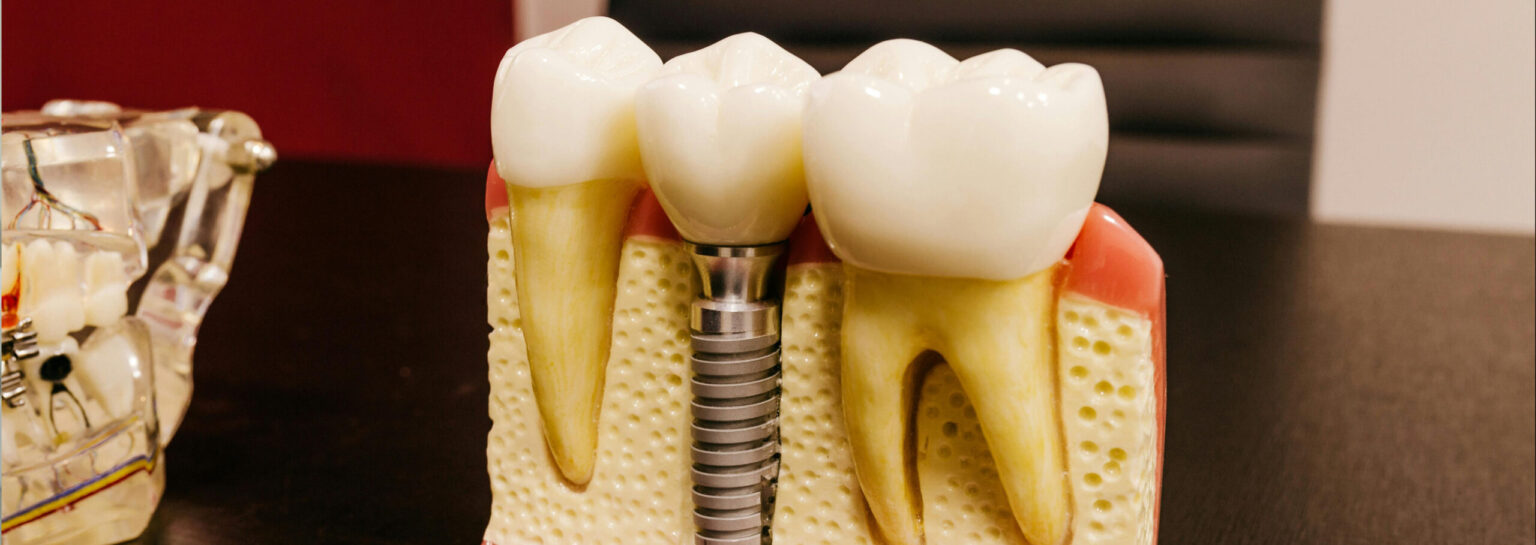
A broken tooth can go from minor annoyance to genuine problem in a matter of hours. Sometimes it starts with a sharp edge that catches your tongue. Sometimes it is obvious right away, a chunk breaks off while chewing, or an old filling gives way and leaves the tooth weak and sensitive. In many of these cases, a crown is the treatment that gives the tooth its best chance of staying functional for years.
Dental Crowns are one of the most common restorative treatments in dentistry, but patients often arrive with only a vague idea of what a crown actually does. Some picture a cap that simply covers the top of the tooth. Others assume it means the tooth is badly damaged beyond repair. The reality sits somewhere in the middle. A crown is a carefully shaped covering that fits over a prepared tooth, restoring its strength, shape, and bite. When a tooth is cracked, heavily filled, worn down, or broken, that full coverage can make the difference between saving it and eventually losing it.
If you have been told you need a crown for a broken tooth, it helps to know what the dentist is looking for, what the process feels like, and what trade-offs come with treatment.
Why a broken tooth often needs more than a filling
Not every chipped or fractured tooth needs a crown. Small chips on the edge of a front tooth can sometimes be repaired with bonding. A minor fracture that does not compromise the tooth structure may be managed with a filling or even simple smoothing. The concern grows when too much of the tooth is missing, when a crack runs through an area that handles heavy bite pressure, or when the remaining tooth walls are thin.
Molars are the classic example. They absorb strong forces every day, especially in patients who clench or grind. If a back tooth loses a large cusp, which is one of the pointed parts of the chewing surface, a filling may replace the missing piece but still leave the rest of the tooth vulnerable. Under repeated pressure, the tooth can split further. A crown wraps around the tooth and redistributes force more predictably.
I have seen this play out in a very ordinary scenario: a patient breaks a corner off a molar while eating toast or a nut, feels little pain, and assumes it is not urgent because the nerve is not exposed. The tooth may be quiet for weeks. Then the crack deepens, biting becomes painful, and a tooth that might have been restored with a straightforward crown now needs root canal treatment first. Timing matters more than people expect.
What a crown actually does
A crown restores both form and function. It covers the visible part of the tooth above the gumline and is custom made to match the shape and bite of your mouth. The material may be porcelain, ceramic, zirconia, metal, or a combination, depending on the tooth, appearance goals, and bite forces.
That full coverage serves several purposes at once. It protects weakened tooth structure from further fracture. It rebuilds chewing anatomy so food breaks down properly. It can seal and support a tooth after a large filling has left it structurally compromised. If the tooth has already had root canal treatment, a crown is often recommended because root treated teeth can become more brittle over time, particularly in the back of the mouth.
People sometimes ask whether a crown makes the tooth “stronger than before.” Not exactly. A crown strengthens a compromised tooth as a restored unit, but it does not turn natural tooth structure into indestructible material. The tooth underneath still matters. So does the way you bite, whether you grind, and how well the crown fits.
When a crown is the right choice, and when it may not be
A crown is often recommended for a broken tooth when the damage is too extensive for a filling to hold up well. That said, good dentistry is not about placing a crown every time a tooth fractures. The treatment has to make biological and mechanical sense.
A crown is usually a reasonable option when enough healthy tooth remains to support it, the crack does not extend hopelessly below the gum or into the root, and the surrounding bone and gum support are stable. Front teeth with modest fractures may still do well with bonding or veneers, depending on the situation. Teeth with severe vertical root fractures often cannot be saved with a crown at all.
This is where judgment matters. Two broken teeth can look similar in the mirror and require very different treatment once X-rays, bite patterns, and crack lines are evaluated. A patient may hear, “We won’t know for certain until we remove the old filling and assess the tooth.” That is not evasion. It is honest dentistry. Once decayed or broken material is cleaned away, the true extent of the damage becomes clearer.
Dental CrownsThe first visit: examination, X-rays, and planning
The appointment usually starts with a conversation about what happened. Did the tooth break while chewing? Has it been sensitive to cold? Does it hurt when you release your bite? Was there an old filling or a previous root canal? Those details help identify whether the issue is simple structural loss, active decay, nerve irritation, or a crack extending deeper than expected.
Your dentist will examine the tooth, the bite around it, and the condition of nearby teeth. X-rays help show decay, old restorations, root structure, and bone support. They do not always reveal cracks clearly, which is one reason clinical symptoms are taken seriously.
If the tooth is broken but not painful, many patients are surprised to learn they may still need prompt treatment. Pain is not the only measure of risk. A tooth can be structurally unsound long before it becomes acutely symptomatic.
At this stage, your dentist should discuss whether the tooth can be crowned immediately, whether it likely needs buildup material to replace missing structure, and whether root canal treatment might be necessary first. In some cases, especially with deep cracks or long-standing large fillings, that possibility is discussed upfront because there is a meaningful chance the nerve will not recover.
Preparing the tooth for a crown
The crown process begins with numbing the tooth and surrounding tissue. For most people, this feels very similar to getting a filling. If the tooth is already sensitive or cracked, the first few moments of treatment can feel emotionally tense, but once the area is fully numb, the procedure is usually manageable.
The dentist then removes any decay, weak filling material, and unsupported tooth structure. This is one of the most important parts of the appointment. A crown can only succeed if the foundation is sound. If a large portion of the tooth is missing, the dentist may place a buildup, which is a bonded core material that restores the tooth to a shape that can support the final crown.
The tooth is then carefully shaped so the crown can fit over it. This does mean some reduction of tooth structure around the sides and top. Patients often worry that a crown “shaves the tooth down to a peg.” That phrase is memorable, but it oversimplifies the process. The amount removed depends on the material used, the position of the tooth, and how much intact structure remains. The goal is not to make the tooth tiny. The goal is to create enough room for a durable restoration while preserving as much healthy tooth as possible.
After preparation, the dentist takes an impression or digital scan. Bite records help the lab design a crown that meets the opposing tooth properly. Shade matching matters more for visible teeth, but even back teeth deserve attention, especially for patients with broad smiles.
Temporary crowns and the days between appointments
If the final crown is being made in a dental lab, a temporary crown is usually placed the same day. Temporary crowns are not meant to last long, but they perform an important job. They protect the prepared tooth, reduce sensitivity, maintain space, and let you function while the permanent crown is fabricated.
This stage is where expectations help. Temporary crowns can feel a little different. The bite may not feel as polished as the final restoration. Very sticky foods can loosen them. Flossing usually needs a gentler technique, often pulling the floss out to the side instead of snapping it upward between the teeth.
Mild temperature sensitivity is common after the tooth is prepared, especially if the tooth was already irritated. Soreness around the gum for a day or two is also typical. What should raise concern is persistent throbbing pain, pain that wakes you up, or a temporary crown that comes off completely. Those situations warrant a call to the office.
Some practices offer same day crowns using in-office scanning and milling. That can be convenient, especially for straightforward cases. Still, same day does not automatically mean better. Complex bite relationships, difficult esthetic cases, or limited remaining tooth structure may still benefit from a carefully fabricated lab crown. The right choice depends on the case, not just the technology available.
The final crown appointment
At the second visit, the temporary crown is removed and the final crown is tried in. The dentist checks the fit at the margins, where the crown meets the tooth, the contact with neighboring teeth, the bite against opposing teeth, and the appearance. This is not a formality. Tiny discrepancies can affect comfort and longevity.
Patients often focus on color and shape, which is understandable, especially for front teeth. Dentists also focus heavily on bite. A crown that hits high can make the tooth feel sore or “too tall” within hours. A contact that is too loose may trap food. One that is too tight may make flossing frustrating. Good crown delivery is detail work.
Once everything looks right, the crown is cemented or bonded in place. Some materials rely more on traditional cementation, while others may be adhesively bonded depending on the preparation and material selected.
After placement, the area can feel strange for a few days even when the bite is correct. The tongue is highly sensitive, and your mouth notices even small changes. Most patients adapt quickly. If the bite still feels off after a few days, it is worth returning for an adjustment rather than hoping it settles on its own.
Will you need a root canal too?
This is one of the most common worries, and the honest answer is sometimes. A broken tooth does not automatically need root canal treatment. Many crowned teeth never do. But some broken teeth already have nerve inflammation before treatment begins, even if the symptoms are mild. Others become symptomatic after the crown preparation because the tooth had deeper damage than expected.
A dentist may recommend root canal treatment before the crown if there is clear evidence of nerve infection or irreversible inflammation, such as prolonged pain, swelling, certain X-ray findings, or a history of severe spontaneous aching. In other cases, the crown is done first because the nerve may settle once the tooth is sealed and protected.
This is one reason you may hear a dentist describe a guarded prognosis. It does not necessarily mean the outlook is poor. It means the structure can likely be restored, but the nerve’s long-term response is not guaranteed.
What it feels like after treatment
Most people return to normal function quickly. The tooth may feel tender when biting for a short period, particularly if the original fracture was recent or the surrounding ligament was inflamed. Cold sensitivity often fades. Gum tissue around the crown usually calms within a few days if it was irritated during preparation.
Persistent pain is not expected. A crown should not trap you in a cycle of worsening discomfort. If biting becomes sharper over time, or if heat starts causing lingering pain, the tooth needs reevaluation. Problems after a crown are not always dramatic. Sometimes a minor bite adjustment solves them. Sometimes the issue is deeper and points to a crack extending into the root or a nerve that did not recover.
How long Dental Crowns last
There is no honest single number that fits every patient. Many crowns last well over a decade. Some fail earlier. A crown on a lightly loaded tooth in a patient with excellent oral hygiene may do beautifully for many years. A crown on a lower molar in a strong grinder can face a much harder life.
The factors that most influence longevity are fairly predictable:
- How much healthy tooth structure remained before the crown
- Whether the bite places excessive force on that tooth
- The quality of the margin fit and cementation
- Daily home care, especially around the gumline
- Habits like grinding, chewing ice, or opening packages with teeth
What often surprises patients is that crowns do not usually fail because the ceramic simply “wears out.” More often, problems begin at the edges. Decay can form where the crown meets the tooth. Cement can wash out. A fracture can develop in the underlying tooth. That is why the crown is not a lifetime exemption from dental care. It is a restoration sitting on living tissue.
Cost, materials, and why prices vary
Crowns vary significantly in cost, and patients deserve a straightforward explanation for that. The fee reflects more than the visible crown itself. It includes diagnosis, tooth preparation, imaging, impressions or digital scans, temporary fabrication, lab work or in-office milling, delivery, adjustments, and the clinical judgment that determines whether the tooth is even a good candidate.
Material choice also matters. All ceramic crowns are often chosen for esthetics, especially in visible areas. Zirconia has become popular because it balances strength and appearance for many posterior teeth. Metal and porcelain fused to metal still have a place in some situations, though they are used less often than they once were in certain practices.
The least expensive option is not always the best value, especially if the tooth has a complicated history or heavy bite forces. On the other hand, the most expensive material is not automatically the best choice either. A sensible recommendation should reflect where the tooth is, how you bite, and what matters most to you.
Living with a crown day to day
A well-made crown should eventually feel like part of your mouth. You should be able to chew comfortably, floss normally, and stop thinking about the tooth most of the time. Good crowns are not exciting once they settle in. That is usually a sign they are doing their job.
Care is straightforward but important. Brush thoroughly at the gumline. Floss daily. If you grind your teeth, wear the night guard if one has been recommended. I have seen patients invest in excellent restorative work and then lose months or years of lifespan because the guard stayed in the bathroom drawer.
There is also a practical point about food and habits. Crowns tolerate normal chewing well. They do not appreciate repeated abuse. Biting hard candy, chewing ice, or cracking shells with crowned teeth can break the restoration or the tooth beneath it. Natural teeth do not love those habits either, but restored teeth are less forgiving.
When to call the dentist after a crown
Most post-treatment questions can wait for a routine follow-up, but a few signs should prompt a call sooner. If you cannot bite comfortably after the numbness wears off, if the crown feels clearly high, or if floss shreds repeatedly between the crown and neighboring tooth, an adjustment may be needed. If you develop swelling, severe spontaneous pain, or the crown comes off, that should be addressed promptly.
Patients sometimes hesitate because they do not want to “bother the office” over a small issue. In reality, a small bite discrepancy is far easier to fix early than a stressed tooth weeks later. Good dentistry includes aftercare, not just the procedure itself.
The bigger picture: saving the tooth versus replacing it later
One of the most useful ways to think about a crown is that it is often part of tooth preservation, not just repair. A broken tooth left unrestored can deteriorate incrementally. More fracture, deeper decay, nerve involvement, gum irritation from food packing, and eventually extraction become more likely over time.
That does not mean every damaged tooth should be crowned at all costs. Some teeth are too compromised, especially if the fracture extends below the bone or the root is cracked. But when a tooth is restorable, a crown can buy valuable years of function and comfort. For many patients, preserving their own tooth with a sound crown is simpler, less invasive, and less expensive than moving later into extraction and replacement options.
There is a quiet kind of success in crown work. The best cases often feel almost uneventful after treatment. The painful bite disappears, the rough broken edge is gone, and the tooth fades back into the background of normal life. That is what most people are really hoping for when they ask what to expect. Not perfection, not a miracle, just a reliable tooth they can trust again.
Omni Dental Specialty
1690 E Gonzales Rd, Oxnard, CA 93036, United States
+1 805-410-9603
FAQ About Dental Crowns
How long do crowns last on teeth?
A dental crown often lasts about five to fifteen years, although some last longer. Material, the underlying tooth, oral hygiene and grinding habits affect longevity. Regular dental examinations help identify wear, decay or a loose crown; no lifespan is guaranteed.
How much does a tooth crown cost?
There is no single price for every crown. Material, laboratory work, the condition of the tooth and any additional treatment affect the fee. Ask for a written estimate and confirm your insurance benefits, exclusions and out-of-pocket costs before treatment.
What is the downside of crowns on teeth?
A conventional crown usually requires irreversible removal of some tooth structure. Possible problems include sensitivity, chipping, loosening and decay at the crown margin; some teeth later need root canal treatment. Discuss your tooth's condition, material choices and suitable alternatives with your dentist.