Dental Crowns Oxnard CA: Rebuilding Smiles One Tooth at a Time
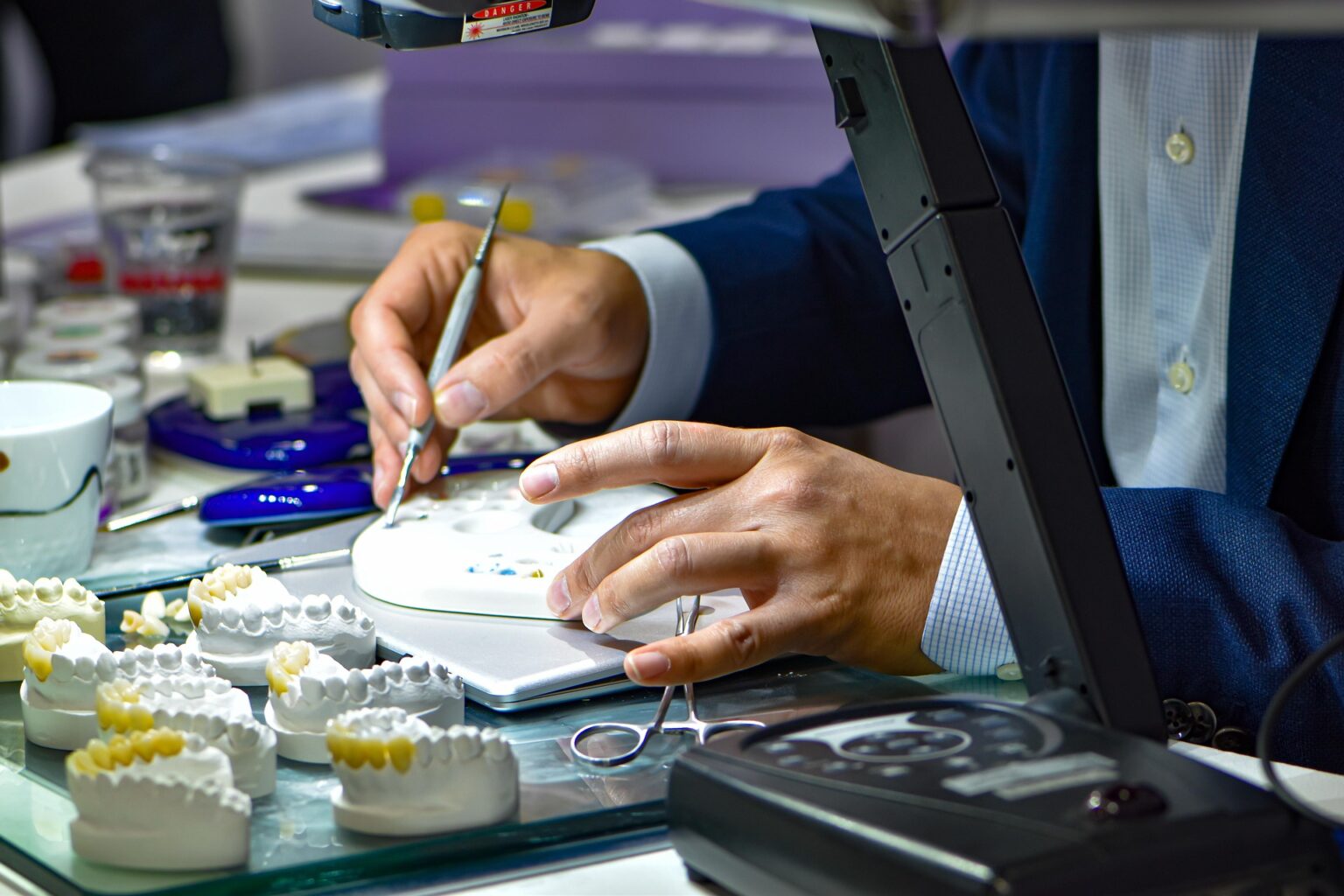
A damaged tooth changes more than a smile. It changes the way a person chews, the side of the mouth they trust, the foods they avoid, even the way they speak when a front tooth is involved. In practice, dental crowns often become the turning point between managing discomfort and restoring normal function. When patients ask about Dental Crowns Oxnard CA, they are usually not asking for something cosmetic alone. They want relief, durability, and the confidence that the fix will last.
Crowns do exactly that when they are planned well and placed for the right reasons. They cover and protect teeth that can no longer hold up on their own, whether from a large cavity, a fracture, a root canal, or years of wear. The best crown work does not call attention to itself. It feels natural, fits the bite properly, and lets the patient stop thinking about that tooth every time they eat.
What a dental crown actually does
A crown is a full-coverage restoration that fits over a prepared tooth. Most people think of it as a cap, which is a fair shorthand, but that simple description misses its real role. A crown is not there just to hide damage. It rebuilds structure, redistributes biting forces, and helps preserve a tooth that might otherwise continue to crack or break down.
That matters because teeth rarely fail all at once. More often, they weaken in stages. A large old filling starts to leak. A cusp fractures on something as ordinary as toasted bread or an almond. A tooth with a root canal becomes brittle over time. If the remaining structure is too compromised for a standard filling, a crown often becomes the more predictable option.
Patients are sometimes surprised to hear that a tooth can hurt very little and still need a crown. Pain is not always the best measure of damage. Some teeth are structurally unsound long before they become acutely painful. On the other hand, not every damaged tooth needs one. Good dentistry is partly about restraint. If a bonded filling or onlay will do the job reliably, preserving more natural tooth can be the better choice.
When a crown makes sense, and when it may not
There is judgment involved in recommending a crown. The decision depends on how much healthy tooth remains, where the tooth sits in the mouth, how heavy the bite is, and what kind of stress that tooth carries every day. Back molars that do the hard grinding work need a different level of reinforcement than a small front tooth chip.
Common reasons a crown may be recommended include:
- A tooth has a very large filling and not enough remaining enamel to support another filling.
- A tooth has cracked, fractured, or shows signs of structural weakness.
- A root canal has been completed and the tooth needs reinforcement.
- A tooth is severely worn down from grinding or acid erosion.
- A tooth is misshapen or discolored in a way that requires full coverage for a stable cosmetic result.
There are also times when a crown is not the best answer. If decay extends too far below the gumline, the tooth may not be restorable without additional procedures, and sometimes not at all. If a crack runs into the root, a crown cannot fix that underlying problem. If the bite is unstable and the patient clenches heavily at night, a crown may still be appropriate, but it should be part of a broader plan that may include a night guard and bite adjustment.
That is why a proper exam matters. X-rays, photographs, bite evaluation, and a direct look at how the tooth has failed all shape the recommendation. Crowns are excellent restorations, but they are not magic shells. They work best when the foundation is sound.
The materials matter more than most people realize
Not all crowns are the same. The material affects appearance, strength, how much tooth must be shaped, and how the crown behaves over time. In many modern offices, all-ceramic options have become especially common because they combine strong esthetics with solid performance.
Porcelain and ceramic crowns are often chosen for visible areas because they can mimic natural enamel very well. A well-made ceramic crown on a front tooth can reflect light in a lifelike way, which matters more than patients usually expect until they see the final result. Zirconia crowns are popular in posterior areas because they are very strong and can work well for people with heavy chewing forces or grinding habits. Porcelain-fused-to-metal crowns are still used in some cases and have a long track record, though their esthetics can be less natural at the margin over time if gums recede.
Material choice is not about picking the “best” crown in the abstract. It is about choosing the best one for that tooth, in that mouth, with that bite. A patient with a broad smile line and a front tooth concern may prioritize translucency and color layering. Someone restoring a back molar after a root canal may care most about durability and function. Both are reasonable. Good treatment planning accounts for both priorities and limits.
What the process feels like from the patient’s side
The crown process is straightforward, though the details vary by office. In many cases, treatment happens over two visits. At the first appointment, the tooth is numbed, decay or weakened structure is removed, and the tooth is shaped to receive the crown. An impression or digital scan is taken, and a temporary crown is placed while the final restoration is fabricated. At the second visit, the temporary is removed, the fit and bite are checked, and the final crown is cemented or bonded.
Some offices now offer same-day crowns using in-house scanning and milling technology. When the case is suitable and the equipment is used well, this can be a very convenient option. That said, same-day does not always mean better. Some complex cosmetic cases benefit from a skilled laboratory technician who can refine contours, contacts, and color in ways that matter, especially for front teeth.
Patients often worry about discomfort, and that concern is understandable. Most people tolerate crown preparation well with local anesthesia. After the appointment, some sensitivity to cold or pressure can occur, particularly if the tooth was already inflamed or had extensive previous work. The temporary crown may feel a little different from a natural tooth or a polished final restoration. That is normal. The more important question is whether the bite feels balanced and whether chewing pressure causes sharp discomfort. Those symptoms deserve a call to the office because small bite issues are easier to correct early.
Temporary crowns tell you more than you might think
Temporary crowns tend to be overlooked, but they are useful beyond simply covering the prepared tooth. They give both the dentist and the patient a short trial period to evaluate shape, length, and function. On front teeth, this is especially helpful. A temporary can reveal whether a certain edge length feels too long, whether speech is affected, or whether the patient wants subtle changes before the final crown is delivered.
In back teeth, the temporary can also expose bite problems. If a patient consistently feels the temporary hitting first, or if chewing remains tender after the initial soreness should have settled, it suggests the final crown will need careful adjustment. These are not failures. They are part of the process of getting the restoration right.
Patients sometimes ask if they can simply keep the temporary if it feels fine. The answer is no. Temporary materials are not built for long-term chewing forces, edge stability, or bacterial seal. They are a bridge to the final crown, not a substitute for it.
Fit is everything
A crown can look beautiful and still fail if it does not fit properly. Margins must be precise so bacteria and plaque are not given an easy entry point. Contacts with neighboring teeth need to be snug enough to prevent food packing, but not so tight that floss shreds or snaps every time. The bite has to be checked with the patient sitting upright and moving naturally, not just biting once while numb.
A poorly adjusted crown creates the kind of low-grade misery patients describe in memorable detail. Food catches every lunch. The gum stays irritated. The tooth feels high on one side. The jaw aches by evening. None of this is dramatic enough to seem like an emergency, yet all of it matters. Small errors in contour or occlusion can turn a necessary restoration into a constant annoyance.
That is why final delivery should never feel rushed. Cementing a crown is the end of the lab phase, not the end of the thinking. Good crown dentistry includes refinement. That may mean polishing a contact, reshaping a ridge, adjusting the bite after the anesthesia wears off, or even sending a crown back if the esthetics or fit are not right. Patients benefit when their dentist treats the crown as a custom restoration, not a commodity.
The Oxnard factor: why local habits and needs matter
When people search for Dental Crowns Oxnard CA, they are often comparing convenience, cost, and reputation, but local lifestyle patterns matter too. In coastal communities, many patients lead active lives and want dentistry that fits a full schedule. They may delay treatment because the tooth is not hurting badly enough to interrupt work, family routines, or weekend plans. That delay can turn a manageable restoration into a more complicated one.
Diet and habits also show up in crown cases more often than patients expect. Constant sipping of acidic drinks, ice chewing, nighttime grinding, and old dental work that has been “good enough” for years all contribute to crown needs. There is rarely a single cause. It is cumulative wear and tear, usually mixed with timing. The tooth fails when its margin of safety runs out.
An office experienced with crown work will often notice these patterns quickly. A cracked molar in a grinder needs a different long-term conversation than a front tooth damaged in a sports injury. A patient with multiple crowns and flattened chewing surfaces may need more than isolated repairs. In those cases, a crown solves the immediate problem, but the real value comes from stepping back and seeing the bigger picture.
How long crowns last, realistically
Patients almost always ask the same question: how long will it last? The honest answer is that there is no universal timeline. Many crowns last well over a decade, and some last much longer. Others fail sooner omnidentalspecialty.com Dental Crowns Oxnard CA because the tooth underneath decays, the crown fractures, the bite is too heavy, or oral hygiene slips around the margins.
Longevity depends on several practical variables. A crown on a lightly loaded front tooth with healthy gums and excellent home care may serve for many years with little trouble. A crown on a back molar in a patient who clenches hard and misses routine care faces a different set of odds. The material matters, but patient habits matter just as much.
It also helps to define what “last” means. A crown can remain in the mouth for years while still needing attention. The margin may start catching plaque. The gum around it may stay inflamed. The contact may open enough for food to trap regularly. These are not always dramatic failures, but they are signs that the restoration should be examined carefully.
The role of root canals and build-ups
Many crown cases overlap with root canal treatment, and that creates understandable anxiety. Patients hear “root canal and crown” as a single heavy phrase. In reality, they serve different purposes. The root canal treats the nerve and infection inside the tooth. The crown restores the outside structure so the tooth can function safely afterward.
Sometimes a build-up is also needed. That means a core material is placed to replace missing internal tooth structure before the crown is made. In heavily broken-down teeth, a post may be used inside the root canal space to help retain the build-up, though not every root canal tooth needs one. These decisions are case-specific and should be based on remaining tooth structure, not habit or routine.
A common misconception is that once the nerve is removed, the tooth no longer needs attention. The opposite is often true. A root canal tooth can be more vulnerable to fracture because it has already lost significant structure to decay, trauma, or prior treatment. The crown is what helps protect that investment.
Cost, insurance, and the value question
Crowns are not the least expensive restoration, and patients are right to ask hard questions about value. Fees vary by region, material, office overhead, and complexity. Insurance may cover part of the cost, though benefits often depend on annual maximums, waiting periods, and whether the plan considers the procedure medically necessary by its own criteria.
The more useful question is not whether a crown costs more than a filling. It does. The question is whether the crown is the more predictable treatment for that specific tooth. Replacing a large failed filling with another large filling can seem cheaper in the short term, but if the tooth cracks later, the overall cost can rise quickly. That does not mean crowns should be overused. It means treatment should be matched to structural reality, not just immediate price.
Patients deserve transparency here. A dentist should be able to explain why Dental Crowns Oxnard CA the tooth needs full coverage, what alternatives exist, and what the trade-offs are if a less extensive option is chosen. “Let’s watch it” is a valid plan in some cases. So is “this is likely to break if we delay.” Both can be responsible recommendations when grounded in a real exam.
Caring for a crown is simple, but not optional
Crowns do not get cavities, but teeth do. The margin where the crown meets the natural tooth is the vulnerable zone. Plaque tends to linger there if brushing is rushed or flossing is inconsistent. That is why patients sometimes feel blindsided when a crowned tooth develops decay. They assume the crown made the tooth invincible. It did not. It strengthened it, but it did not remove the need for maintenance.
A few habits make a real difference:
- Brush thoroughly at the gumline, especially where the crown meets the tooth.
- Floss daily and pay attention to whether the floss catches or shreds.
- Wear a night guard if you clench or grind.
- Avoid using teeth as tools for opening packaging or cracking hard items.
- Keep regular exams so small margin problems are found early.
One practical tip from years of observing real-world wear patterns: if a patient fractures one natural tooth or one crown from grinding, it is rarely an isolated event. It usually means the bite is delivering more force than the teeth can comfortably absorb. Ignoring that pattern almost always gets expensive.
What patients often notice after the final crown goes in
The best crown experiences are almost boring. The tooth stops drawing attention. Chewing becomes normal again. Cold air no longer triggers a sharp response. The patient forgets about the tooth, which is exactly the point.
There can be a short adjustment period, though. A new crown may feel slightly different simply because the old tooth was broken, hollowed out, or shaped by years of wear. The tongue notices changes that the eye misses. Usually that awareness fades quickly. What should not be ignored is persistent pain when biting, throbbing that worsens over time, or a bite that feels clearly off once the numbness is gone.
Gum tenderness around a new crown can also happen, especially if the tooth required substantial work or the margin sits near the gum tissue. That irritation should gradually improve. If it does not, the issue may be excess cement, a contour problem, or hygiene difficulty around the crown. All are fixable, but only if they are addressed.
Choosing a provider for Dental Crowns Oxnard CA
When evaluating providers for Dental Crowns Oxnard CA, patients often focus on online reviews first, which is understandable. Reviews can reveal a lot about office communication, scheduling, and overall patient experience. Still, crown work benefits from a deeper look. Ask how the office handles material selection, whether digital scanning is available, how bite issues are managed after delivery, and what happens if the crown feels wrong in the days that follow.
Experience matters, but so does process. A careful office takes time with diagnosis, explains options plainly, and does not treat every broken tooth as identical. They pay attention to occlusion, photographs, temporaries, and follow-up. Those details are not glamorous, yet they often determine whether the crown becomes a long-term success or a recurring complaint.
Patients should also feel comfortable asking practical questions. Will this tooth likely need a root canal first? What are the odds a large crack extends deeper than expected? If the crown is in a visible area, how is shade matched? If the patient has a history of clenching, is a night guard part of the recommendation? Good answers tend to be specific, not rehearsed.
Rebuilding one tooth can change far more than one tooth
There is a quiet kind of relief that comes when a damaged tooth is finally restored properly. People eat differently. They stop chewing on one side. They stop worrying that a tooth will crack during dinner. For front teeth, they smile without calibrating the angle. For back teeth, they simply return to normal life.
That is why crowns remain such an important part of restorative dentistry. They are not flashy, and they are rarely the treatment patients hope to need. Yet when a tooth has been weakened beyond what a filling can predictably support, a crown often preserves comfort, function, and confidence all at once.
For anyone considering Dental Crowns Oxnard CA, the goal is not just to cover a tooth. It is to restore a tooth intelligently, with the right material, the right fit, and the right long-term plan around it. When that happens, one repaired tooth often improves far more than a single spot in the mouth. It restores ease, and patients notice that every day.
Omni Dental Specialty
1690 E Gonzales Rd
Oxnard, CA 93036, United States
Phone: +1 805-410-9603
FAQ About Dental Crowns Oxnard CA
What is the average cost of a crown in California?
The fee depends on the crown material, tooth condition and any additional treatment. Request an itemized estimate from Omni Dental Specialty after an examination, and confirm insurance benefits before scheduling.
How long do dental crowns last?
Longevity varies with the material, fit, oral hygiene and biting habits. Regular dental reviews help identify wear, damage or decay. A crown does not need replacement solely because it reaches a particular age.
Do teeth go bad under crowns?
Decay can develop in the remaining natural tooth, particularly near the crown margin. Brush with fluoride toothpaste, clean between teeth daily and keep dental appointments. Report new pain or looseness promptly.
Which crown is best for bruxism?
No material suits everyone. Your dentist assesses grinding, tooth position, bite forces and appearance before recommending a crown. A protective appliance may also be recommended to manage stress on the restoration.